Rural Health Transformation funding in Kansas
- First-year award
- $222M
- Reported put to work, as of Jul 31, 2026
- $127M
- 57% of the award
- This figure stops at Jul 31, 2026. CMS has announced more for Kansas since. See below.
- Application rounds open today
- 4
Rounds to look at
- Nov 13, 2026OpenYear 2 Regional Partnership Grant ProgramKansas RHTP
$44M. Tentative total Year 2 pool, subject to receipt of federal funds; 10 to 15 awards of up to $5 million anticipated.
Due at noon Central.
Read the official notice ↗Checked Nov 9, 2026.
- Nov 13, 2026OpenYear 2 Transformative Capital InvestmentKansas RHTP
$11M. Tentative total Year 2 pool, subject to federal funds; 5 to 10 awards of up to $3 million each anticipated.
Due at noon Central.
Read the official notice ↗Checked Nov 9, 2026.
- Nov 18, 2026OpenYear 2 CHW + Accountable Food is MedicineKansas RHTP
$1.5M. Tentative total Year 2 pool.
Due at noon Central. Awards depend on federal funds.
Read the official notice ↗Checked Nov 9, 2026.
- Nov 18, 2026OpenYear 2 Non-Emergency TransportationKansas RHTP
$3M. Tentative total Year 2 pool, contingent on federal funds; about 2 to 3 awards anticipated.
Due at noon Central. Awards depend on federal funds.
Read the official notice ↗Checked Nov 9, 2026.
What the state review found, as of Nov 9, 2026
Kansas has four Year 2 RFAs open: Regional Partnership and Transformative Capital Investment until noon Central on November 13, and Community Health Worker + Accountable Food is Medicine and Non-Emergency Transportation until noon Central on November 18. Funding is subject to CMS approval of the Kansas Year 2 budget.
Where Kansas's money has gone so far
As Kansas reported it to CMS through Jul 31, 2026. These are commitments to agencies, contractors and partners, not a measure of what has reached patients.
- IT advances$23.9M
- Prevention and chronic disease$22.4M
- Provider payments$17.3M
- Training and technical assistance$16.1M
- Workforce$11.4M
- Consumer technology$10M
- Program administration$9.2M
- Appropriate care availability$8.5M
- Behavioral health$5.4M
- Capital and infrastructure$2.3M
- Fostering collaboration$414K
- Innovative care$114K
Initiative detail
Expand Primary and Secondary Prevention Programs$24.6M
- $5.3MIntegrated care for dual eligible beneficiaries. (Appropriate care availability)
- $3MBehavioral health integration in primary care. (Behavioral health)
- $249KBehavioral health services in nursing facilities. (Behavioral health)
- $840KEmergency department behavioral health intervention hubs. (Behavioral health)
- $1.3MA statewide substance use disorder network. (Behavioral health)
- $2.3MIntegrated care for dual eligible beneficiaries. (Capital and infrastructure)
- $6.6MComputerized cognitive behavioral health therapy. (Consumer technology)
- $500KLifestyle Empowerment for Alzheimer's Prevention (LEAP!) technology. (Consumer technology)
- $2.5MMy ALZ Journey technology. (Consumer technology)
- $250KLifestyle/fitness/nutrition applications. (Consumer technology)
- $120KAsynchronous Diabetes Prevention program. (Consumer technology)
- $7KAsynchronous Diabetes Prevention program pharmacist support services. (Provider payments)
- $144KMobile cancer screening program. (Provider payments)
- $1.2MBehavioral health services in nursing facilities provide payments. (Provider payments)
- $150KPsychiatric Advanced Practice Registered Nurses (APRNs) in emergency department behavioral health intervention hubs. (Provider payments)
- $160KStatewide substance use disorder network provider payments. (Provider payments)
- $508Partnerships specific to Initiative 1. (Program administration)
Secure Local Access to Primary Care$16.1M
- $501KThe Pathways to Integration - Rural Primary Care/Public Health Integration Program. (Appropriate care availability)
- $414KThe Anchor Hospital Advancement Program. (Fostering collaboration)
- $114KDirect-to-employer contracting infrastructure. (Innovative care)
- $9.8MThe Anchor Hospital Advancement Program. (IT advances)
- $1.5MA statewide rural provider commercial rate analysis. (Training and technical assistance)
- $3.6MThe Revenue Cycle Support and Centralized Credentialing Organization. (Training and technical assistance)
- $125KThe Mobile Integrated Health Pilot Program. (Workforce)
Build a Sustainable Rural Health Workforce$12.6M
- $1.3MA mobile simulation lab. (Training and technical assistance)
- $8.5MA rural residency program. (Workforce)
- $655KThe expansion of the Kansas Bridging Program. (Workforce)
- $500KMedical student rural rotation housing. (Workforce)
- $303KRural nurse residencies. (Workforce)
- $500KClinical instructor and preceptor incentives. (Workforce)
- $135KRural chapters of the HOSA-Future Health Professionals (HOSA) high school club. (Workforce)
- $257KK-12 Health Science Career and Technical Education (CTE) courses. (Workforce)
- $44KRegional career expositions (Workforce)
- $256KCentral Kansas Hospital Association (KHA) support. (Workforce)
- $158KBehavioral health apprenticeships. (Workforce)
Enable Value-Based Care$40.6M
- $2.7MBehavioral health crisis transports. (Appropriate care availability)
- $22.4MThe Evidence-Based Practices program. (Prevention and chronic disease)
- $11MThe Evidence-Based Practices Program provider payments. (Provider payments)
- $3.4MThe Accountable Care Organization (ACO) Readiness Program. (Provider payments)
- $1.1MThe Medicare Provider Incentive Payment Program. (Provider payments)
Harness Data and Technology$24M
- $1.1MThe Diabetes Dock. (IT advances)
- $12.8MThe Emerging Technology Program. (IT advances)
- $198KThe Certified Community Behavioral Health Clinic (CCBHC) Data Center. (IT advances)
- $175KThe Telehealth Navigator Program. (Provider payments)
- $9.8MRemote patient monitoring. (Training and technical assistance)
Program operations$9.2M
- $9.2MState agencies, contractors, and consultants. (Program administration)
- $1KTravel. (Program administration)
Source: RHTP Obligated Funds Report ↗
What CMS has announced for Kansas
Funding is one part of the job
A round in Kansas can pay for the work. It cannot give you an owner, a plan your board trusts, or a go-live your staff believe in. That is the work I do with community and rural hospitals.
Thirty minutes, confidential, no cost.
Who built this
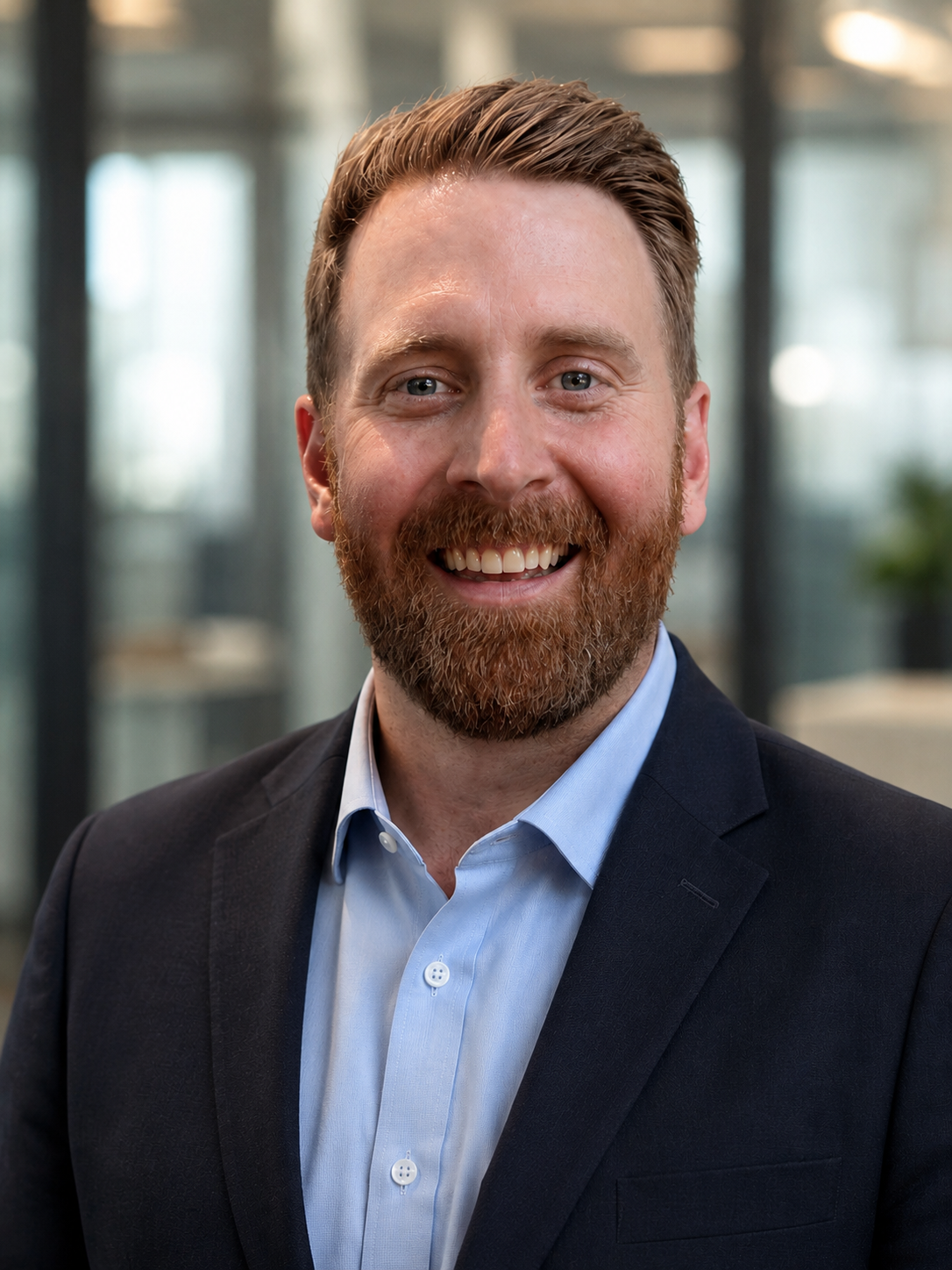
Jeff Paul
Founder & Principal, JP Healthcare Advisors
During eight years at Cerner, I worked across 170+ healthcare technology deployments. My deepest specialization was CommunityWorks: more than 90 community, rural, district, and critical-access hospitals in 34 states, including 62 critical-access hospitals.
Have a project in Kansas?
Answer a few questions and see whether it has a path, what stands in the way, and what to do first.